Graphic Design and Its Many Uses (From Print to Digital)
Explore graphic design principles, jobs, tools, history, and ways to learn.
What graphic design is
What exactly is graphic design? It is visual communication that uses type, images, color, and space to share ideas. Designers make choices with a goal in mind. They help people learn, choose, or act.
So, graphic design what is it in daily life? It may be a poster that draws people to an event. It may be a label that tells shoppers what a product does. A web page can help visitors find a service. These are graphic design examples.
The purpose of graphic design is to make a message clear and useful. It is not decoration alone. A safety sign must be easy to spot and read. A book cover can take more time to build a mood. In both cases, choices must fit the audience and setting.
What counts as graphic design? Work that uses visual parts to solve a communication need. That includes print, screens, signs, packaging, and more. Graphic design shares an attribute with art: both use creative choices to affect how people see something. Design also answers a brief and serves a clear goal.
Designers work in many fields. If you ask what industry is graphic design under, the answer depends on the job. It may sit within marketing, publishing, technology, retail, or the arts. Graphic design is also known as visual communication in many settings.
- Design begins with a message and an audience
- Type, images, color, and space help share that message
- Good design fits its use, from a phone screen to a street sign
Principles that help designs work
What are the principles of graphic design? They are ways to arrange visual parts so people can follow a message. Common principles include balance, contrast, visual hierarchy, alignment, proximity, and repetition. They work together rather than as separate rules.
What is balance in graphic design? It is how a design spreads visual weight. A large picture on one side may balance with a small, dark shape on the other. Even balance can feel calm. Uneven balance can feel lively and still look stable.
What is contrast in graphic design? It is a clear difference between parts. A dark title on a pale background stands out more than two similar tones. Contrast can come from size, color, shape, or type. Use it to draw the eye to key details.
What is visual hierarchy in graphic design? It is the order in which people notice and read parts of a design. A large title, a smaller subhead, and short body text form a path. Size, weight, color, and space can set that order.
What is alignment in graphic design? It means placing items along shared edges or lines. What is proximity in graphic design? It means using space to show which items belong together. What is repetition in graphic design? It means bringing back colors, shapes, or type styles. These choices help build unity.
What is unity in graphic design? It is the sense that all parts belong to one whole. A repeated color palette can link pages in a report. A shared type style can help a set of ads feel related. Small choices add up.
- Use contrast to make key details stand out
- Use hierarchy to guide the eye
- Use alignment to keep parts in order
- Use repetition to link related work
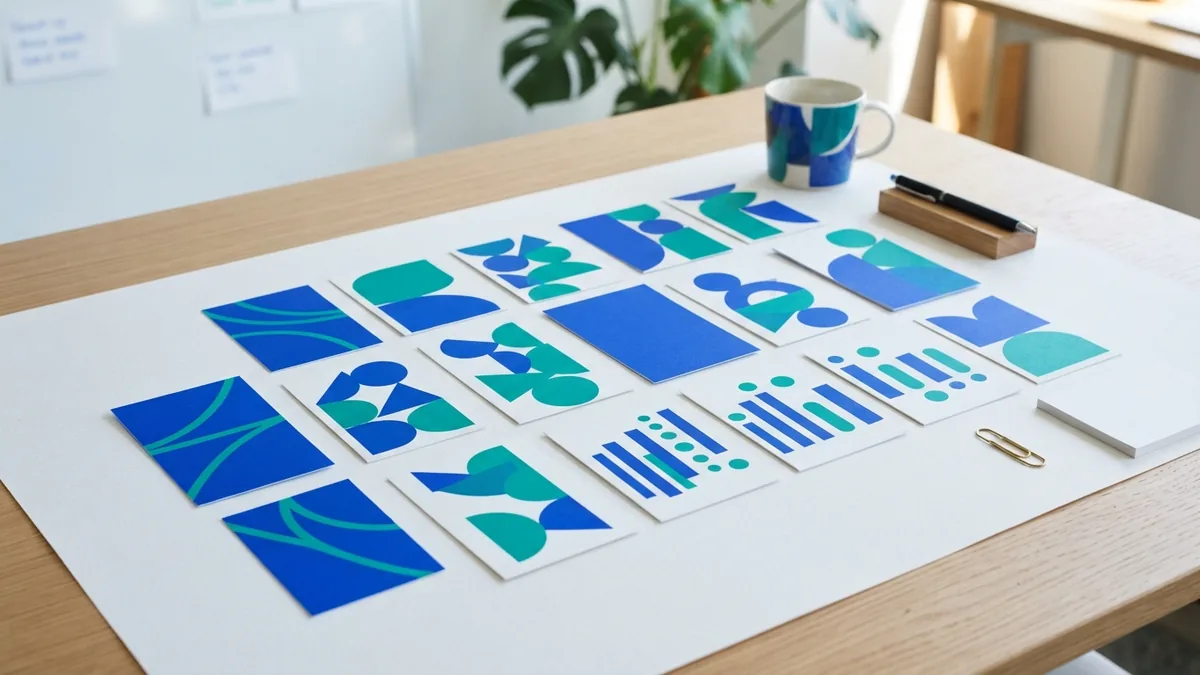
Elements: color, type, images, and layout
What are the elements of graphic design? They are the parts used to build a message. The main elements include color, typography, imagery, and layout. Shape, line, form, and texture can also add focus, depth, and mood.
What are the seven elements of graphic design? Lists vary, but often include line, shape, form, color, texture, space, and type. These components work together. A flat shape can mark a button. Texture can make a package feel rough or soft, even before someone touches it.
What is color theory in graphic design? It is the study of how colors work together and affect what people see. Color can set a mood, group related items, or draw eyes to an action. Check the design at a small size. If the key message fades, its contrast may be too weak.
What is typography in graphic design? It is the choice and use of type. A typeface is a family of letter shapes. A font is one style or weight in that family. What is a typeface in graphic design? It is the overall design of those letters.
What is leading in graphic design? It is the space between lines of type. What is kerning in graphic design? It is the space between two letters. Adjust both with care. Tight type may suit a short title, but cramped body text slows reading.
Composition is how visual parts fit together as a whole. What is a layout in graphic design? It is the plan for placing text and images on a page or screen. What is a grid in graphic design? It is a set of guide lines that helps keep items in order. A gutter is the gap between columns or pages.
What is form in graphic design? It is the way an object appears to have shape and depth. What is texture in graphic design? It is the look or feel of a surface. Together, these elements can add depth to a flat design.
What are mockups in graphic design? They are previews that show a design in a likely setting. A package mockup can show a label on a box. A thumbnail is a small draft that helps test an idea before detailed work begins. A comp is a more finished draft for review.
Print work has its own terms. What is bleed in graphic design? It is extra artwork beyond the trim edge. It helps prevent white gaps after a page is cut. A widow is a short last line that sits alone at the top of a page.
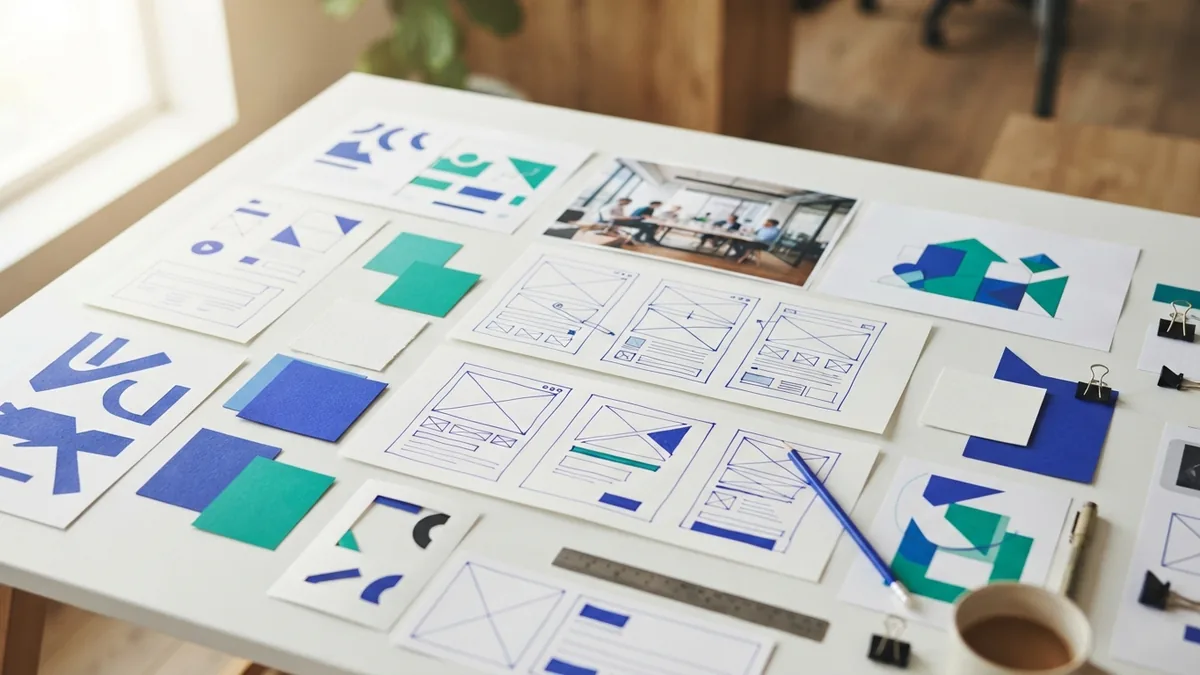
What designers do and where they work
Graphic design, what do they do? Designers learn about a project, shape ideas, and make visual work that meets a need. Their work can include sketches, drafts, feedback, and final files. A designer may plan a brand, lay out a book, or make digital content.
What is graphic design used for? It helps people notice, understand, and use information. Branding sets a shared look for a company. Advertising design promotes an offer. Publication design arranges books, reports, or magazines. Digital design shapes sites, apps, and online content.
Environmental graphic design uses signs and visual systems in places such as schools, shops, and transit hubs. Motion graphic design adds movement to visual messages. Graphic design and illustration can overlap, but they are not the same. Illustration makes images; graphic design places images and other parts together to meet a goal.
Roles vary by team. An art director guides the look of a project. A creative director may set the wider vision across campaigns. A production designer prepares final artwork for print or screen. A graphic design agency serves clients, while a graphic design consultant may advise a team or take on focused projects.
What are some careers in graphic design? Designers may work in branding, advertising, packaging, publishing, web design, or motion work. Some work in-house for one company. Others join an agency or work for themselves. The right path depends on the work you enjoy and the skills you build.
Designers also handle practical tasks. A creative brief sets the goal, audience, and limits for a project. A mood board gathers visual ideas that guide its look. A style guide records rules for type, color, and images. A lockup is a set arrangement of a logo and related text.
What are mechanicals in graphic design? The term can mean precise production files or layout specs used to make final artwork. A source file is the editable file used to build a design. These files help teams make changes later and prepare work for the right format.
Graphic design history and change
Graphic design has roots in print. The invention of printing made it possible to make books and other printed work in larger numbers. Over time, type and image became key tools for sharing ideas with many readers.
What developments created graphic design as a field? Printing, trade, and mass media all helped shape it. The Industrial Revolution brought more goods and new ways to sell them. Businesses needed labels, posters, and ads that could catch the eye.
What art movement was associated with early graphic design? Several movements shaped its look, including Art Nouveau and later modernist styles. Each brought new ideas about type, shape, and layout. Design kept changing as print methods and public taste changed.
Digital tools brought another shift. Designers can now make and share work across print and screens. Software helps them try ideas, edit images, set type, and prepare files. It speeds up work, but clear thinking still matters most.
Learning graphic design and choosing tools
What skills are needed for graphic design? A strong base includes type, color, layout, and composition. Listening, clear writing, and taking feedback also matter. Designers need to explain why a choice fits the goal, not just say that it looks good.
What is a graphic design class? It is a course that teaches skills such as drawing, type, color, or design software. What is graphic design courses about? Courses may cover the basics, a tool, or a work area such as branding. Look for lessons that include practice and clear feedback.
What classes should you take for graphic design? Useful picks include typography, color theory, drawing, image editing, and layout. Some programs also teach web design and print production. A degree is not the only path, but a well-made portfolio is key.
What is a BFA in graphic design? It is a Bachelor of Fine Arts degree with a focus on graphic design. What education is needed for graphic design? Employers may seek a degree, a certificate, or proof of skill through a portfolio. Check the needs of the role you want.
What is graphic design software? It is a tool for making or editing visual work. What software is used for graphic design? Designers may use apps for vector art, page layout, photo editing, or screen design. What program for graphic design is best? Choose one that fits the work, your budget, and the file types you need.
What Adobe program is best for graphic design? It depends on the task. One app may suit vector logos, while another works well for page layout or photo edits. Try a few tools before you pay. What computer is best for graphic design? Pick a reliable computer with enough memory and a screen that shows color well.
Freelancers also need to think about rates. Graphic design what to charge depends on the task, time, rights, and number of changes. Set the scope in writing before work begins. That keeps both sides clear on what the fee covers.
Start with small projects. Redesign a poster, make a simple brand set, or lay out a short booklet. Review each piece at full size and at a small size. Clear work beats a large pile of unfinished ideas.