Start an HVAC Business (From First Plan to First Job)
Plan, license, equip, and market your HVAC business with confidence.
Understand the HVAC Business
HVAC work covers heating, ventilation, and air conditioning. Homes and businesses need repairs, upkeep, and new systems. That steady need can create room for a well-run business. Your results still depend on local demand, trade skill, costs, and service quality.
First, choose the customers and jobs you want to serve. You might focus on homeowners, landlords, shops, or small offices. Set a service area that keeps travel time and fuel costs in check. Then pick work that fits your training, such as repairs, tune-ups, or system installs.
Each service calls for its own tools, skills, and pricing. Do not promise work beyond your skills or license. A narrow service list can keep early costs down. Add new services as your team and cash flow grow.
Map each job from the first call to final payment. Set steps for urgent calls, parts orders, job notes, and quality checks. Decide who will answer calls and send bills. Clear steps help the business run well when work picks up.
- List the jobs you will take and those you will turn down
- Choose a service area and target customer group
- Review local firms, their offers, and public rates
- Map how leads, bookings, job notes, and bills will flow
This is the core of how to start an HVAC business: match a clear offer with sound trade skills and steady service. Write down your choices before you spend on tools or ads.
Meet Legal Rules and Get Licensed
HVAC licensing and registration rules vary by state, province, and town. Some places require an exam, work history, or proof of insurance. Cities may also ask for a business license or job permit. Check the rules where you plan to work before taking paid jobs.
Ask the local licensing office which rules apply to each service. In the United States, refrigerant work has extra rules. The EPA's Section 608 technician certification rules cover technicians who handle regulated refrigerants. Other regions may set their own training and handling rules.
Choose a business structure with help from a qualified lawyer or accountant. Register your business name and apply for any tax accounts you need. Keep business funds apart from personal funds. Ask an insurance agent about liability, vehicle, and worker cover.
A technician's certificate may not give the firm every needed license. Check owner and worker rules with the right agency. Ask about permits for system installs and replacements, too. A short call can prevent costly delays.
Keep copies of licenses, permits, and insurance records in one place. Note renewal dates and who must hold each credential. Make sure your ads and quotes do not claim skills you lack.
Plan Startup Costs and Set Prices
Startup costs can vary widely. A solo operator with a van and basic tools may spend far less than a firm with staff and stock. Build a budget before you buy a vehicle or sign a lease. Include tools, transport, insurance, permits, software, and early marketing.
Split one-time costs from monthly bills. Add fuel, phone service, storage, wages, loan payments, and parts restocking. Set cash aside for slow weeks and surprise repairs. Your forecast should show expected jobs, average sale, and when income can cover costs.
| Budget area | Examples to price | Planning note |
|---|---|---|
| Vehicles and tools | Van, hand tools, meters, safety gear | Buy for your first services |
| Legal and cover | Licenses, permits, insurance | Track rules and renewal dates |
| Running costs | Fuel, wages, phone, parts | Track costs from day one |
| Sales and marketing | Website, signs, local ads | Test small campaigns first |
Set prices that cover labor, parts, travel, overhead, and profit. Price the full visit, not just time spent at the unit. Use a clear call-out fee where local norms allow it. Review prices after tracking real job times and parts costs.
Check cash flow each week in your first year. If work is busy but cash is short, review payment terms and parts costs. A short written plan can help you track services, customers, prices, costs, and sales goals. The U.S. Small Business Administration's business plan advice outlines common plan sections.
Spend with care. Buy what supports the first jobs you plan to sell.
Buy the Tools Your Services Require
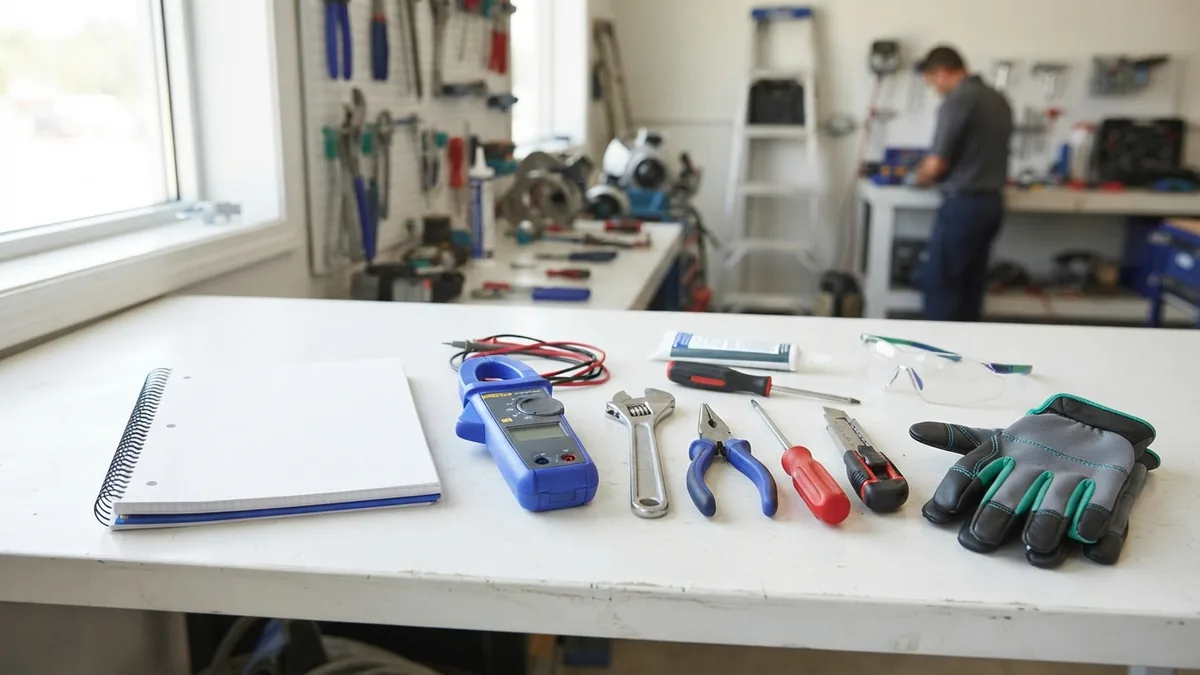
Buy tools that match the jobs you plan to take. Core hand tools may include nut drivers, wrenches, pliers, screwdrivers, and tubing tools. Diagnostic gear can include a multimeter, temperature probes, and pressure gauges. Refrigerant work calls for approved tools and safe handling methods.
Safety gear matters on every job. Stock eye and hand protection, suitable work clothes, and any gear the task calls for. Keep tools clean, tested, and easy to find. Check meters and gauges on a set schedule.
Do not buy every tool at once. Start with gear needed for your chosen services. Rent or buy used tools only after you check their condition and accuracy. Keep a list of tools, serial numbers, and service dates.
- Match each tool to a service you plan to sell
- Check calibration and safe working order
- Store tools so they stay clean and ready
- Replace damaged safety gear at once
Good tools support safe, steady work. They also help you avoid delays caused by missing gear or faulty readings.
Build a Skilled Team
Many new owners begin alone, then hire as demand grows. Look for workers with the right trade skills, care for safety, and clear customer manners. Check references and required credentials before making an offer. Set out pay, work hours, and job duties in writing.
Training should continue after hiring. Review safety steps, new equipment, and your service standards. Pair new staff with an experienced technician when a task calls for it. Keep notes on training and licenses.
Plan how the team will share job updates and parts needs. A quick daily check can flag delays before they affect customers. Track callbacks and missed arrival times. These signs can show where training or job steps need work.
Use a simple HVAC business startup checklist as you prepare to open:
- Confirm service skills, licenses, and insurance
- Price tools, transport, stock, and monthly costs
- Set job steps, payment terms, and customer updates
- Prepare a website, phone line, and local listings
- Review the plan each month and adjust as needed
Market Your HVAC Business
Build a professional online presence before you launch. Make a simple website with your service area, phone number, hours, and main services. Use clear pages for repairs, maintenance, and installs if you offer all three. Keep the same business name and contact details across listings.
Local SEO helps nearby customers find your firm in search results. Add accurate details to your business listing and ask happy customers for honest reviews. Share useful service tips, seasonal reminders, and answers to common questions. Avoid claims you cannot support.
Try more than one way to reach local buyers. Yard signs, referral cards, and ties with property managers may suit your area. Track where each call comes from. Spend more on the methods that bring good-fit jobs.
Customer relationships are part of marketing, too. Give a clear arrival window and call if plans change. Explain the repair and price before work begins. After the visit, send a neat bill and ask if the system works as expected.
Start small and learn from real results.

Keep Customers and Improve Service
Good service begins with careful listening. Ask what the customer noticed, when it began, and whether the issue has changed. Confirm the work before you start. A brief recap can prevent confusion about the problem or price.
At the end of each visit, explain what you found and what you did. Share any next steps in plain terms. Keep job records with dates, parts, readings, and customer notes. These records help with future visits and warranty questions.
Ask customers for feedback after the work. Review complaints and repeat visits with your team. Fix the cause, not just the symptom. Strong service earns referrals and helps build steady demand.
As the business grows, check your prices, service area, and staff needs. Add work only when you can meet the rules and maintain quality. A clear plan, sound records, and steady customer care give your HVAC business room to grow.