Graphic Design and Its Many Forms (From Print to Digital)
See how graphic design turns ideas into useful visual communication.
Defining Graphic Design
Graphic design is the art of visual communication. It uses images, text, color, and graphic forms to share a message. Designers shape these parts so people can understand information or take action.
So, what does graphic design entail? It can involve research, planning, sketches, layouts, image work, and finished files. The work may appear in print, online, or across both. Each choice should suit the message and the people who need to see it.
People may ask what graphic design looks like or what it includes. The answer depends on the goal. A logo may use one bold shape and a short name. A report may rely on clear headings, charts, and page layouts.
What does a graphic designer design? Common projects include logos, brochures, posters, product packaging, websites, social posts, and digital ads. Some designers focus on one type of work. Others meet several needs for one client.
Graphic design falls under visual communication and the broader creative field. It is more than decoration. Good design helps people spot key details, understand a brand, or find a next step.
- Print items, such as signs, menus, and brochures
- Digital pieces, such as web banners and social graphics
- Brand assets, such as logos, colors, and type styles
- Layouts for reports, books, slides, and packaging
Projects vary in size and scope. A local café might need a menu and window sign. A larger campaign might use print ads, web pages, and social content with one shared look.
Designers use basic design principles to guide the eye. Contrast makes key details stand out. Spacing, balance, and type size help keep a page easy to read.
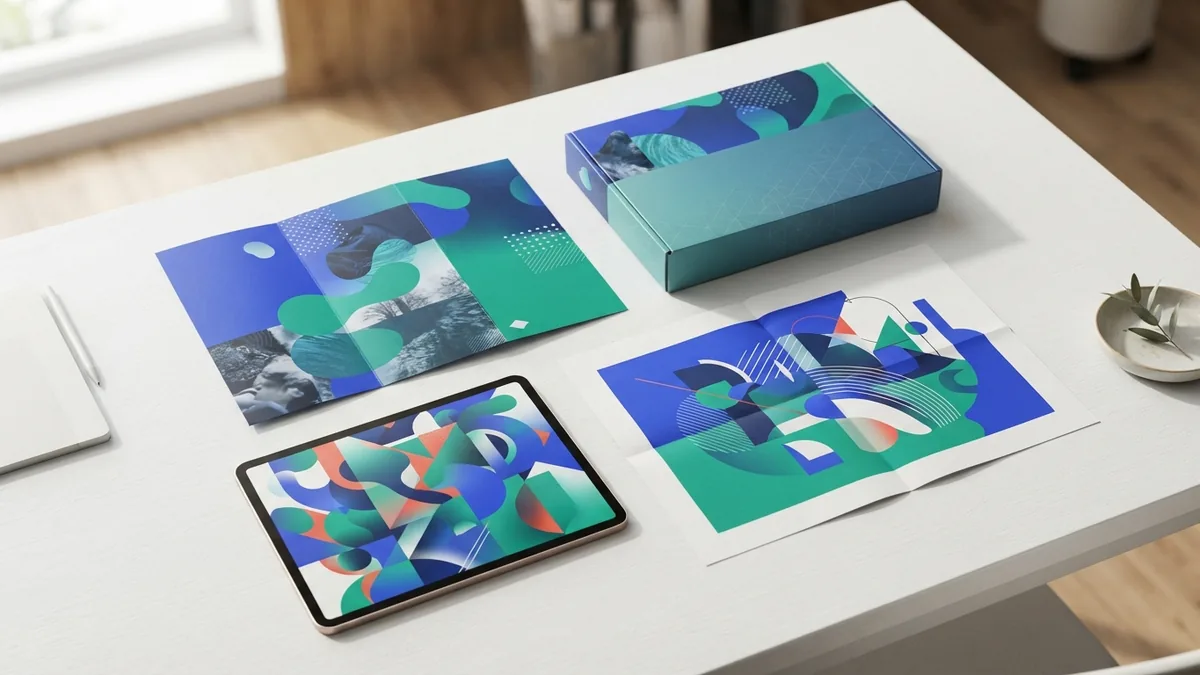
Key Areas of Graphic Design
Brand design helps a business build a clear, familiar look. It can set rules for a logo, colors, fonts, photos, and shapes. These parts work together across signs, ads, and online pages.
Print design covers items made for paper or other physical surfaces. A designer may create a poster, brochure, label, or business card. The work must suit its size and use. It also needs the right files for print.
Digital design includes web graphics, email images, social posts, and page layouts. These items must work on screens of different sizes. Small type or crowded layouts can be hard to use on a phone.
Packaging design has its own demands. Shoppers may see a product from far away or pick it up for a closer look. The design must draw attention and make key details easy to find.
Some jobs combine several areas. A new shop may need a logo, menu, sign, and social graphics. A shared style helps customers see that these pieces come from the same business.
Designers may also create charts, slide decks, book covers, or event materials. The right mix depends on the client’s goal, audience, and budget. A strong brief helps define the work before it begins.
What does graphic design consist of? In most projects, it brings together a clear message, a chosen audience, visual choices, and a final format. The balance changes with each job.
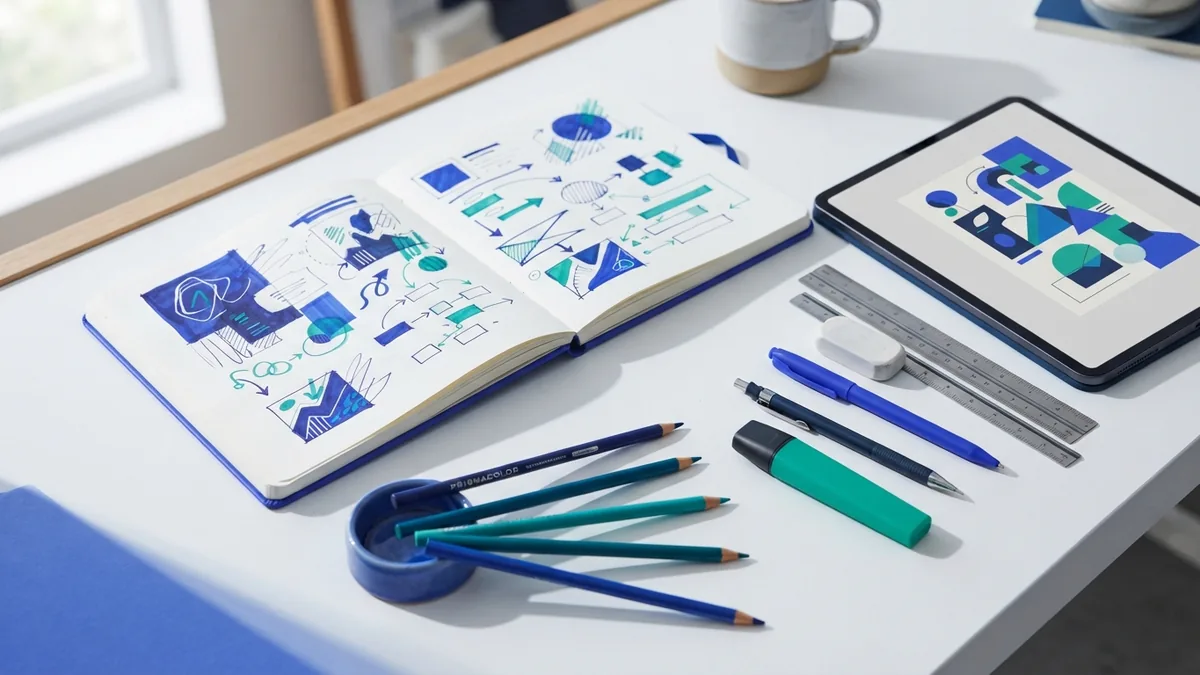
Tools Used by Graphic Designers
The tools graphic designers use depend on the task. Adobe Illustrator is often used to make vector art. A vector uses paths and points, so it can grow or shrink without turning blurry.
Adobe Photoshop is often used to edit photos and build image-based art. Adobe InDesign helps arrange pages for books, reports, and brochures. Designers may move between these tools during one project.
Paper and pencils still help. A quick sketch can test a few layouts before the designer spends time on finished art. It is a simple way to explore ideas.
File type and color settings matter near the end of a project. What does CMYK stand for in graphic design? It means cyan, magenta, yellow, and key, or black. This color mode is used for many print jobs. RGB is common for work shown on screens.
EPS means Encapsulated PostScript. It is a file type that can hold vector art for print and design work. FPO means “for position only.” It marks a temporary image or item that will be replaced in the final piece.
AI can mean an Adobe Illustrator file or artificial intelligence, based on context. An Illustrator file is a working file made in the app. Some newer tools use artificial intelligence to help with tasks. A designer still needs to check the results.
A graphic design company may offer services from brand work to print files. A design assistant may prep files, sort images, or make simple edits. An intern may help with research and early drafts while learning the work. Tasks depend on the team and project.
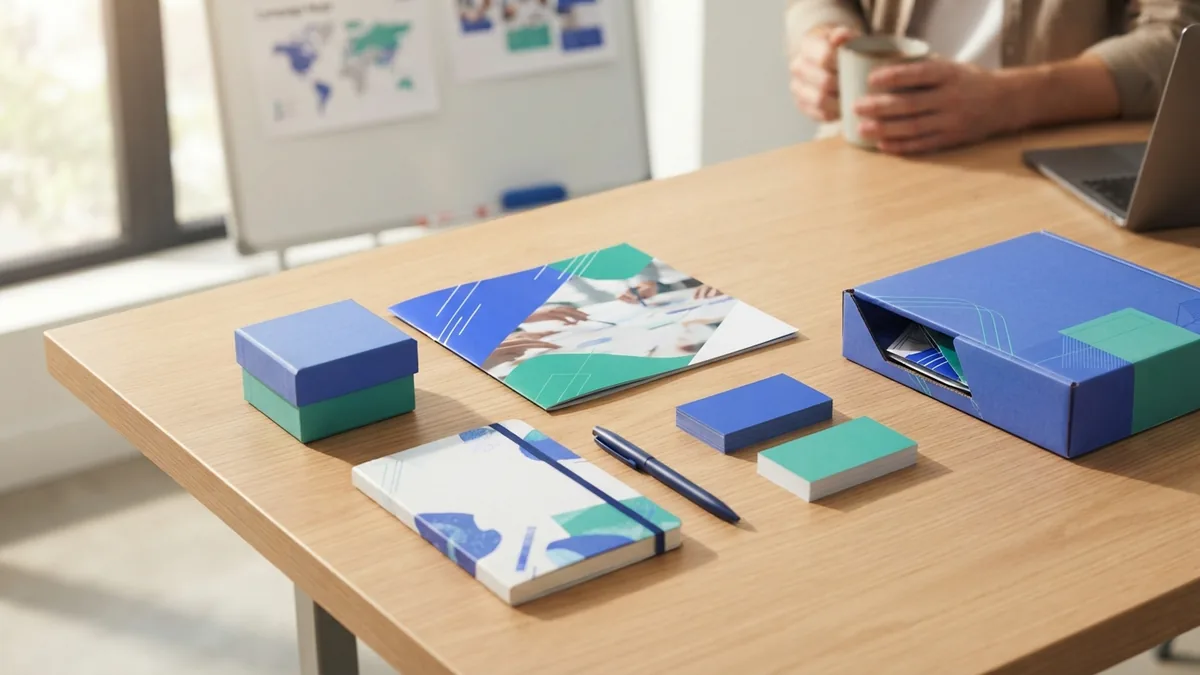
Why Visual Branding Matters
Visual branding helps a business show who it is and what it offers. It can help the right customers notice and recall the business. A steady look across materials can make the brand feel familiar.
The importance of visual branding goes beyond recognition. A calm color set and open layout may suit a wellness service. Bright colors and bold type may fit a music event. Design choices should match both the brand and its audience.
Color theory can help designers choose colors that work well together. But color alone cannot carry a message. Type, images, spacing, and clear words also shape what people see and feel.
Good branding stays useful across formats. A logo should work on a small screen and a large sign. A color palette should remain clear in print and online. Designers test these choices before the work is done.
- Use a consistent look across print and digital media
- Keep key details easy to spot and read
- Choose colors and images that suit the audience
- Check how designs work at different sizes
Branding should not be style without purpose. Each choice should help people know what the business offers or what to do next. That link between look and goal makes design useful.
Understanding Client Needs
Strong design starts with questions. Who needs to see this work? What should they know, feel, or do? What limits apply to time, cost, format, or brand rules?
A client consultation is a talk that helps define the work. The designer can ask about the audience, goals, competing brands, and where the design will appear. Clear answers make it easier to set the project scope.
The audience matters at every stage. A poster for commuters needs a message people can grasp quickly. A report for experts can include more detail. The format and level of detail should fit the reader.
Designers often share early sketches or sample layouts before making finished files. The client can say what works and what needs to change. This feedback helps both sides stay focused on the same goal.
A good brief records the key choices. It may cover the message, audience, deliverables, sizes, deadlines, and review steps. This plan can prevent late changes and missed needs.
What Successful Design Looks Like
Successful graphic design balances creativity with marketing goals. A fresh idea can catch the eye, but it must also help the client reach a clear aim. That aim might be stronger brand recall, more visits, or easier access to information.
Designers can judge the result against the brief. Is the message clear? Can the audience read and use the piece? Does it work in the places where people will see it?
A graphic design portfolio shows selected work and the thinking behind it. It may include finished designs, project goals, and a short note on the designer’s role. A useful portfolio shows range while keeping each example easy to understand.
Some projects need more than one round of review. Designers may adjust type size, image choice, color, or layout after testing the work. Small changes can make a design easier to read or use.
The final files should fit their intended use. A printer may need print-ready files with the right color mode. A web team may need smaller files that load quickly. Clear file names and handoff notes also help the next person.
Good design is not just attractive. It joins a clear message, a real audience need, and a useful outcome. When those parts work together, the design serves both the client and the people who see it.