Start a Small Business (From Idea to First Sale)
Turn a business idea into a tested offer, a sound plan, and a first sale.
Understanding Small Business Basics
A small business sells goods or services on a limited scale. It may have one owner or a small team. Size rules vary by country and industry. Local rules may also affect taxes, permits, and reporting.
If you are asking, “How do I start a small business?” begin with a customer need. The best idea is not always the newest one. It should fit your skills, meet real demand, and have a path to profit. A great small business to start solves a problem people will pay to fix.
Look for a gap you can serve well. Talk with likely buyers about what they need and what they dislike about current choices. Check local rivals, prices, and reviews. These steps help you judge whether demand is real.
- Choose a clear group of likely customers.
- Describe the need your offer will meet.
- Check what buyers pay for similar offers.
- Estimate the time and cash needed to serve them.
Keep your first offer small. A baker could test a few items through preorders. A graphic designer could offer one service to a narrow customer group. Small tests cost less and show what buyers value.

Key Steps to Start a Business
The steps on how to start a business begin with market research and a simple test. Ask potential buyers about their needs. Then offer a sample, trial service, or small batch. Track paid orders, repeat interest, and questions from buyers.
Write a business plan to guide your choices. It can be brief, but it should name your customer, offer, price, and sales channel. Add key costs, goals, and a cash forecast for the first year. Include rent, supplies, insurance, tax, and any loan payments.
Choose a business name and legal structure before you take payment. Rules depend on your location and type of work. You may need business licenses, permits, tax registration, or insurance. Check with the right local office before you trade.
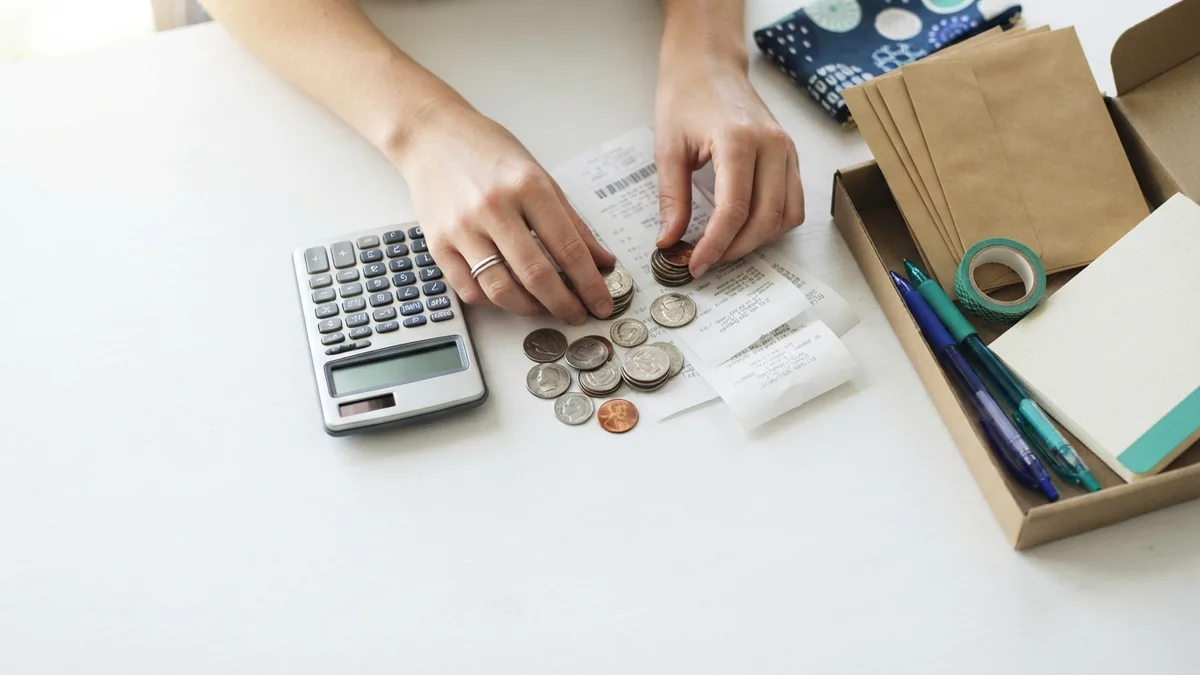
Open a separate business bank account if one is available to you. Save receipts and record every sale and cost. Good records show whether the business earns money. They also help when you file taxes or seek a loan.
- Research customer needs and test your offer.
- Set prices and write a short business plan.
- Check permits, licenses, tax rules, and insurance.
- Set up records, funding, and payment methods.
- Start small and review results often.
For a new owner, how to start up a small business means making choices in order, not doing everything at once. Focus first on proof of demand, legal needs, and costs. Add staff or new products only when sales support them.

Funding Your Small Business
Work out how much money you need before you seek funds. List one-time costs, such as tools and stock. Add several months of running costs and a small reserve. A clear amount makes it easier to compare funding choices.
Personal savings can help you start without debt. Yet, avoid risking money needed for rent, food, or bills. If you want to know how to get money to start a small business, first look for ways to lower startup costs. Preorders, borrowed tools, or a home-based start may cut the amount you need.
Loans can pay for stock, equipment, or working cash. To get a loan to start a small business, prepare a plan, cash forecast, and record of your income. Compare rates, fees, payment dates, and any personal guarantee. Borrow only what cautious sales estimates can repay.
Ask banks and credit unions about their small-business loans. Public agencies may back loans through partner lenders. The U.S. Small Business Administration loan programs explain one example of this model. Check local rules, since loan terms and programs vary by place.
Grants may suit certain owners, regions, or types of work. They can be hard to win and often have strict rules. Other options include a co-owner, community lender, or customer preorders. Compare the cost, risk, and control that each choice brings.
- Savings: No scheduled loan payments, but your own money is at risk.
- Loans: Cash now, with fees and set payments.
- Grants: Funds may not need repayment, but rules can be narrow.
- Partners or preorders: Shared risk or early sales, with added duties.
If you ask, “How do I get money to start a business?” start with a cost list and a sales plan. Then match the funding source to the need. Avoid borrowing for costs that a small test can help you avoid.
Resources for Small Business Owners
Local business resources can help you avoid early mistakes. Look for small-business centers, chambers of commerce, trade groups, and public business offices. Some offer free advice, classes, or help with loan forms. Ask what they provide before you pay an outside adviser.
Libraries and colleges may offer market data, classes, and meeting space. Accountants can explain tax records, while lawyers can review contracts and permits. The U.S. Small Business Administration also offers business planning and startup advice for owners in the United States. Use local offices for rules that vary by place.
Books on how to start a small business can help you learn basic planning and sales skills. Choose books that fit your industry and location. Check the date, since tax rules and market tools change. Pair reading with advice from people who know your local market.
Networking for small businesses can lead to referrals, partners, and useful feedback. Attend local trade events or join a business group. Ask specific questions, and follow up with people who can help. A strong local network can be useful before you can afford paid support.
Marketing helps people find and trust your business. Start with a clear offer, a simple website or profile, and contact details. Ask early customers for honest feedback and referrals. Track which channels lead to sales, then spend more time on those that work.
Common Challenges and Solutions
Cash flow is a common challenge. A business can make sales and still lack cash when bills come due. Set payment terms, follow up on unpaid invoices, and review cash each week. Keep a reserve where you can.
New owners may also price too low. Add the cost of materials, time, fees, tax, and overhead before setting a price. If buyers hesitate, ask what concerns them. A clear change to the offer may help more than a discount.
Legal gaps can delay a launch or lead to fines. Check permit and license rules before taking paid work. Keep copies of forms, contracts, and insurance records. Ask a local office when a rule is unclear.
It is possible to start with little cash, but not every business can start with none. If you wonder, “How do I start a small business with no money?” choose a service with low setup costs. Use tools you own, take deposits where fair, and grow from early sales.
Examples and Ways to Build Success
A tutor might test demand by offering a small group class before renting space. A graphic design business could begin with one clear service, such as logo work for local shops. Both owners can learn from early clients before adding costs.
Success stories are useful when they show choices, not just results. Ask what the owner tested, how they found buyers, and what they changed. The goal is to learn a method you can adapt, not copy another firm’s path.
To start my own small business successfully, I would set a clear first goal: make a sale and learn from it. Keep the offer focused, track cash, and ask customers what should improve. That is a sound way to turn an idea into steady work.