Start Your Own Business — From Idea to First Sale
Turn a business idea into a tested offer, legal setup, and first sale.
Identify a Business Idea That Solves a Real Need
How do we start a business? Start with a problem that people will pay you to solve.
Some people search for “how to i start a business?” Others type “how go start a business” or “how ro start a business.” The wording changes, but the need stays the same. They want a useful plan with clear first steps.
Your idea may involve a product, service, shop, or online business. Start with your skills, past work, and local needs. Then choose one customer group with one clear problem.
Talk with 10 to 20 likely buyers. Ask what they use now and what it costs. Ask what they dislike about current choices. Ask what result they would pay to get.
- State the problem in one short sentence
- Name your first customer group
- Describe the result your offer provides
- Set a rough price based on buyer value
A small paid test gives better proof than praise from friends. Keep the offer narrow at first. Add more services after sales begin.
This is also how to start any business. Solve one clear problem before you build a wide range of offers.
Conduct Market Research Before You Spend

Market research shows if enough buyers exist. It also reveals rival prices, weak spots, and unmet needs.
Define your target audience by place, need, budget, and buying habits. Study five to ten rivals. Compare their prices, offers, reviews, delivery times, and sales channels.
Look for repeated complaints. Those complaints may point to your best opening. A better answer to a common problem can beat a large rival.
Estimate demand with basic math. Suppose 2,000 local homes fit your audience. If 5% may buy each year, your first estimate is 100 buyers.
Test that estimate with a waitlist, survey, landing page, or small sales campaign. A real sign-up matters more than a guess. A paid trial gives even stronger proof.
Use local trade groups, public data, search trends, and trade reports. Keep notes on each source. This record will support your market analysis and business plan.
Do not confuse interest with demand. Buyers who pay for a trial show real demand.
Develop a Business Plan With Useful Numbers
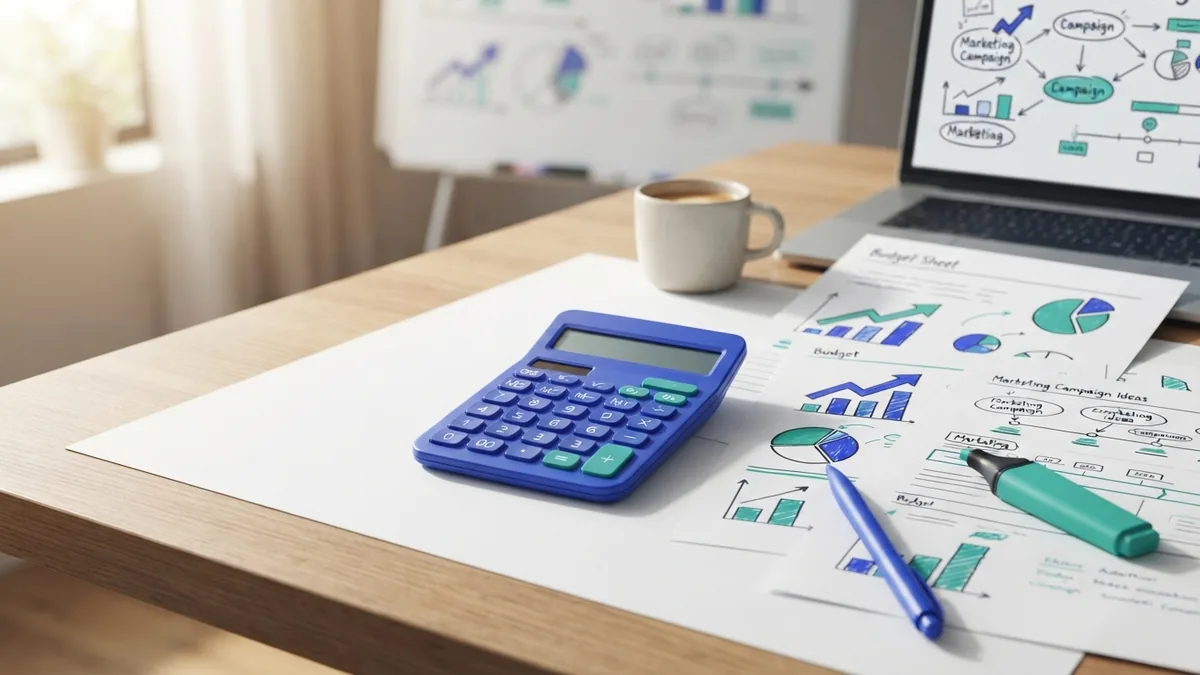
A business plan turns an idea into a work plan. It should show what you sell, who buys it, and how you earn money.
Set one main goal for the first year. Add your market findings, sales plan, work steps, and key risks. State what makes your offer different from rival offers.
Your money plan needs clear numbers. List start-up costs, monthly costs, expected sales, and cash needs. Include low, expected, and high sales cases.
For example, $1,500 in monthly fixed costs needs enough profit to cover that bill. Add a cash buffer for slow months and surprise costs.
The U.S. Small Business Administration business plan guide lists useful sections for new firms.
| Plan area | Question to answer |
|---|---|
| Customer | Who has the problem? |
| Offer | What result will you sell? |
| Sales | How will buyers find you? |
| Money | When will sales cover costs? |
| Work | How will you deliver the result? |
Review the plan each month during your first year. Replace guesses with sales data. A short plan that you use beats a long plan that sits unused.
Choose Funding That Fits Your Risk
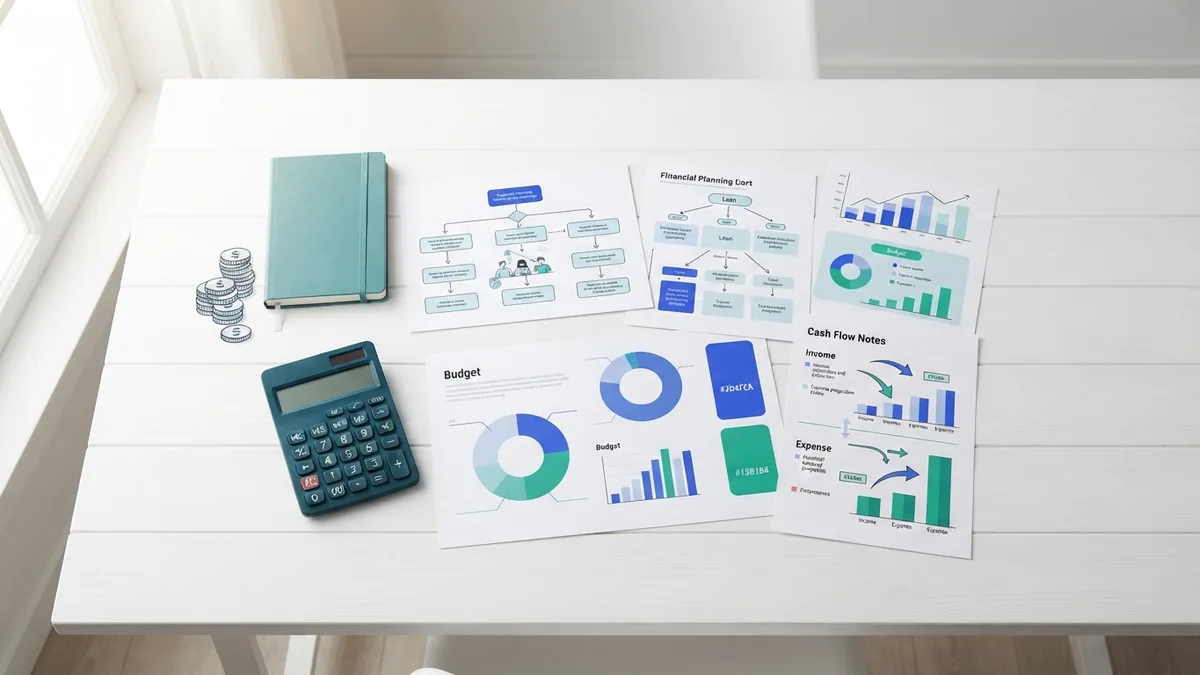
Funding should match your costs and your ability to repay. Separate one-time costs from monthly costs.
Tools, permits, stock, and setup fees may come first. Rent, insurance, software, and ads may repeat each month. List both groups before you seek funds.
How do I start a business with no money? Start with a smaller offer. Sell a service before buying stock. Use free tools for early work. Take deposits for custom orders.
How to start a business with no cash depends on your model. A service firm may need skills and a way to reach buyers. A shop or transport firm may need tools, stock, or a site.
Other funding sources include savings, loans, grants, family funds, and crowdfunding. Each choice has a cost. Loans bring interest and fixed payments.
- Use savings when your first test costs little
- Seek a loan after sales show real demand
- Try preorders when buyers can wait
- Consider crowdfunding when the offer has a strong story
Keep business money apart from personal money. Track each payment and receipt from day one. This habit makes tax work and cash checks much easier.
Choose a Business Structure
Your business structure affects taxes, records, risk, and ownership. Common choices include a sole proprietorship, limited liability company, and corporation.
A sole proprietorship may suit a low-risk solo service. It is often simple to start. It does not create a separate legal person.
An LLC can help separate business debts from personal assets. Rules vary by state. A corporation may fit firms with outside investors or plans to issue shares.
Ask a tax expert or lawyer before you choose. The right choice depends on your risk, income, owners, and growth plans.
- Compare filing costs
- Check tax treatment
- Review personal risk
- Plan for future owners
Register the Business and Meet Local Rules
Choose a business name that customers can spell and recall. Search state records before you use it. Check for a matching domain and social profile.
Register the firm with the right state or local office. You may need a trade name, tax number, permit, or professional license. Rules depend on your location and industry.
The U.S. Small Business Administration explains common steps for registering a business. Check local rules before you take paid work.
Open a business bank account after registration. Keep permits, contracts, receipts, and tax records in one safe place. Set reminders for renewals and tax dates.
Extra rules may apply to food, child care, transport, waste removal, construction, beauty services, and health work. For example, a clean business may need safe handling rules. A pressure washing or junk removal business may need waste or water permits.
Build Sales Channels and Plan for Growth
Growth starts with a simple way for buyers to find and trust you. Create a clear website or business page. Show your offer, price range, service area, and contact method.
Choose one or two channels first. Local search, referrals, email, short videos, and trade groups can all work. Match the channel to your audience and budget.
Track leads, sales, profit, repeat orders, and customer feedback. These numbers show which work deserves more time.
Online models need the same checks as local firms. If you ask, “how do I start a business online?” begin with one offer and one sales channel. A dropship store, for example, still needs supplier checks, clear delivery times, and a plan for returns.
Review results each month. Raise prices when demand supports it. Improve weak steps before adding staff, products, or new locations.
Success rarely comes from doing everything at once. Test, sell, learn, and then grow.